Introduction
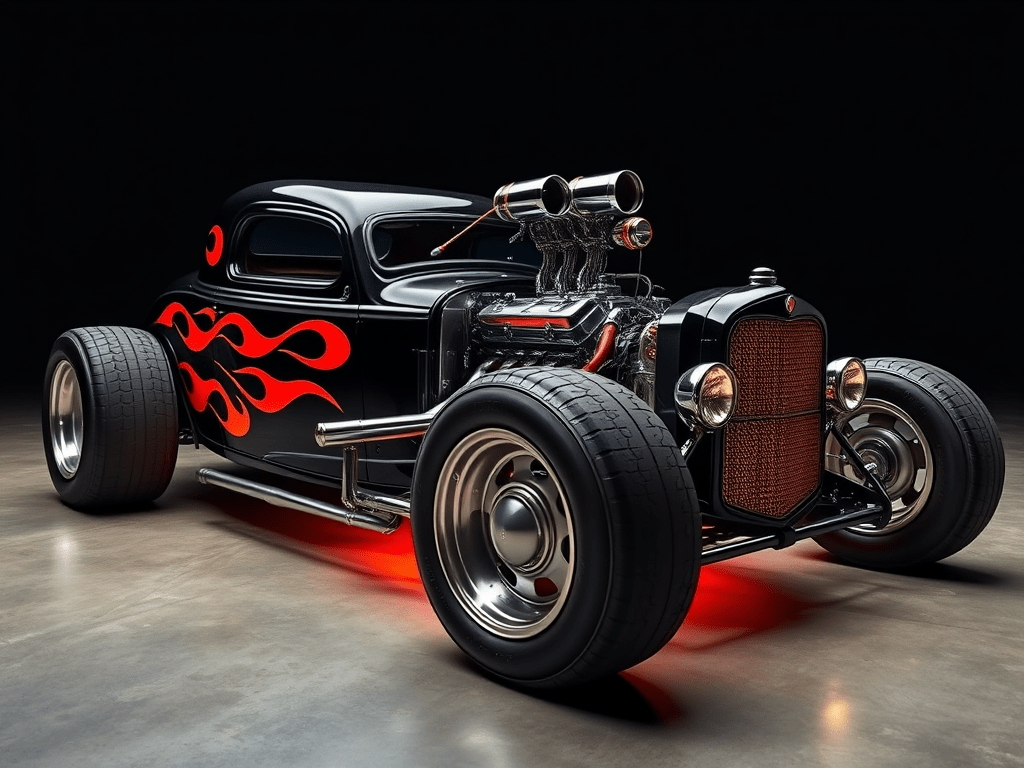
Embarking on a rat rod project is an exciting endeavor that combines creativity, engineering, and a healthy dose of rebellion. Whether you’re a seasoned builder or a newcomer to the world of custom cars, planning your rat rod project requires careful consideration and preparation. In this guide, we will walk you through the key steps involved in planning a successful rat rod build, from conceptualization to execution.
Step 1: Define Your Vision
Before diving into the nitty-gritty details, take some time to clearly define your vision for the rat rod. Consider the following questions:
- What type of vehicle do you want to start with? (e.g., car, truck, bus)
- What is your budget? Be realistic about the financial resources available.
- What style are you aiming for? Do you prefer a classic, vintage look or a more modern twist?
- What are your must-have features? Think about engine type, suspension setup, interior design, etc.
Step 2: Research and Gather Inspiration
Once you have a clear vision, begin researching and gathering inspiration. Explore online forums, social media, and automotive magazines to see what others have done. Attend car shows and talk to fellow enthusiasts to gain insights and ideas. Keep a notebook or digital folder to document your findings and inspirations.
Step 3: Source Your Base Vehicle
Finding the right base vehicle is crucial for your rat rod project. Here are some tips:
- Look for solid foundations: Choose a vehicle with a sturdy frame and minimal rust.
- Consider availability of parts: Ensure that replacement parts and accessories are readily available.
- Check legal requirements: Make sure the vehicle meets local regulations and can be registered once completed.
Step 4: Create a Detailed Plan
With your base vehicle secured, it’s time to create a detailed plan for your build. This includes:
- Sketching out your design: Use pencil and paper or digital tools to visualize your final product.
- Listing necessary modifications: Identify all the changes needed, from engine swaps to body alterations.
- Creating a timeline: Set milestones and deadlines to keep your project on track.
Step 5: Budget Allocation
Budgeting is critical to ensure your project stays financially viable. Break down your expenses into categories such as:
- Vehicle acquisition: Cost of purchasing the base vehicle.
- Parts and materials: Engines, suspension, body panels, etc.
- Tools and equipment: Welding gear, grinders, sanders, etc.
- Labor costs: If you need professional help for certain tasks.
Step 6: Acquire Necessary Tools and Equipment
Ensure you have the right tools and equipment for the job. Some essentials include:
- Welding equipment: For fabricating and modifying metal components.
- Grinders and sanders: For shaping and smoothing surfaces.
- Paint and finishing supplies: To achieve the desired look.
- Safety gear: Gloves, goggles, masks, etc.
Step 7: Begin the Build Process
Now it’s time to put your plan into action. Follow these general steps:
- Disassemble the vehicle: Strip it down to the bare essentials.
- Modify the frame: Strengthen and customize the frame according to your design.
- Install the engine: Swap out or modify the engine for better performance.
- Fabricate body panels: Cut, shape, and weld metal panels to achieve the desired look.
- Suspension and brakes: Upgrade or modify the suspension and braking systems.
- Interior work: Customize the interior to suit your preferences.
- Paint and finish: Apply primer, paint, and protective coatings.
Step 8: Test and Refine
Once the major components are in place, test drive your rat rod to identify any issues. Make necessary adjustments and refinements until you are satisfied with the performance and appearance.
Step 9: Legal Considerations
Ensure your rat rod complies with local laws and regulations. This may involve registering the vehicle, obtaining insurance, and passing inspections. Consult with authorities to understand specific requirements.
Step 10: Showcase Your Creation
Finally, it’s time to show off your hard work! Participate in car shows, join local clubs, and share your creation on social media. Celebrate your achievement and connect with fellow enthusiasts who appreciate the art of rat rod building.
Conclusion
Planning a rat rod project is a rewarding journey that requires careful thought, diligent research, and hands-on effort. By following these steps, you can turn your vision into reality and create a unique, personalized vehicle that reflects your creativity and individuality. Remember, the process is as much about the journey as it is about the destination, so enjoy every step along the way. Happy building!
If you need of help visit this site!
 RAT ROD CARS
Leave a comment